When you think about maintaining your home, things like the roof, plumbing, or HVAC system probably come to mind first. But there’s one critical system that many homeowners overlook: the septic system.
And trust me, ignoring it can lead to some seriously expensive problems. A septic inspection is a key step in protecting your home investment and avoiding unexpected headaches.
What is a Septic Inspection
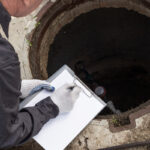
A septic inspection is a thorough evaluation of your septic system to make sure it’s working properly. This system is responsible for handling all the wastewater from your home. During an inspection, professionals check:
- The septic tank
- Drain field (leach field)
- Pipes and connections
- Sludge and scum levels
- Signs of leaks or damage
The goal is to catch issues early before they turn into costly repairs.
Why Septic Systems Are So Important
If your home isn’t connected to a municipal sewer system, your septic system is doing all the work. When it works properly, you don’t even notice it. But when it fails, you’ll definitely know. A failing septic system can lead to:
- Sewage backups
- Foul odors
- Contaminated groundwater
- Expensive repairs
That’s why regular inspections are essential.
How Septic Inspections Help Protect Your Property
When we talk about the benefits of a septic inspection, it truly proves its value.
1. Prevents Costly Repairs
Septic system repairs can be expensive, sometimes thousands of dollars. An inspection helps you:
- Catch small issues early
- Fix minor problems before they escalate
- Avoid full system replacements
Think of it as preventive maintenance for one of your home’s most important systems.
2. Helps You Protect Your Home Investment
Your home is likely your biggest financial asset. A failing septic system can significantly reduce its value. Regular inspections help you:
- Maintain property value
- Avoid unexpected repair costs
- Keep your system running efficiently
In short, it’s a smart way to protect your home investment.
3. Identifies Hidden Problems Early
Septic issues often develop underground, where you can’t see them. A professional inspection can uncover:
- Cracked or damaged tanks
- Blocked pipes
- Drain field failures
- Excess sludge buildup
Without an inspection, these problems can go unnoticed until it’s too late.
4. Prevents Health Hazards
A malfunctioning septic system can be dangerous. According to the Centers for Disease Control and Prevention (CDC), untreated wastewater can expose people to harmful bacteria and viruses.
Inspections help ensure your system is safely handling waste and protecting your family’s health.
5. Protects the Environment
Septic systems that leak or fail can contaminate:
- Groundwater
- Nearby lakes and rivers
- Soil around your property
The EPA emphasizes that proper septic maintenance is key to preventing environmental pollution. By keeping your system in fine condition, you’re also protecting the hygiene of your surroundings.
Signs Your Septic System Needs an Inspection
Even if everything seems fine, your septic system could still have issues. You should keep an eye on the following signs:
- Slow drains throughout the house
- Gurgling sounds in plumbing
- Sewage odors indoors or outdoors
- Wet or soggy spots in your yard
- Unusually green grass over the drain field
If you notice any of these, schedule an inspection right away.
What Happens During a Septic Inspection
If you’ve never had one done, here’s what to expect. A professional will proceed step by step, inspecting the system:
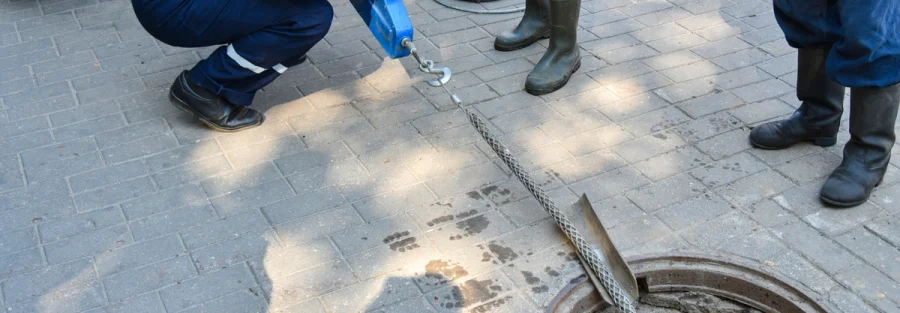
- Locate and open the septic tank
- Measure sludge and scum levels
- Check for leaks or cracks
- Inspect pipes and connections
- Evaluate the drain field
Afterward, you’ll receive a detailed report with findings and recommendations.
Tips to Keep Your Septic System Healthy
Along with regular inspections, here are some simple habits that can extend your system’s life:
- Don’t flush wipes, grease, or chemicals
- Fix leaks promptly
- Use water efficiently
- Keep heavy vehicles off the drain field
- Schedule regular pumping
These small steps can help to keep your septic system in good condition.
Why Septic Systems Fail
Here are some common causes behind septic system failure. Try to avoid these:
- Lack of maintenance
- Excess water usage
- Flushing inappropriate items
- Tree root intrusion
- Aging systems
Regular inspections help catch these issues before they lead to failure.
Protect Your Property With a Septic Inspection
A septic inspection is one of the most important steps you can take to maintain your home. It helps you catch problems early, avoid costly repairs, and ensure your system is working properly.
Schedule your inspection with the experienced inspectors of TexInspec and protect your home investment. It’s something every homeowner should prioritize.