When it comes to protecting your home, most people think about things like roof leaks, plumbing issues, or electrical problems. There’s one threat that often goes unnoticed until it’s too late: that is termites.
These tiny pests can quietly eat away at your home’s structure for months or even years. That’s why a termite inspection is one of the smartest steps you can take as a homeowner. It helps you catch problems early before they turn into expensive repairs.
What Are Termites & Why Are They Dangerous
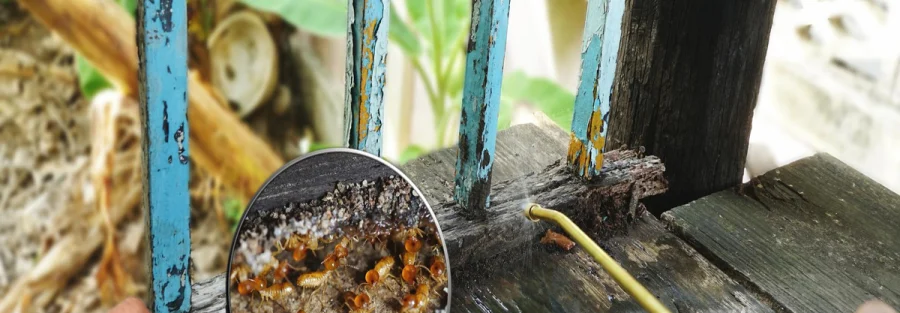
Termites are small insects that feed on cellulose, which is found in wood and plant materials. Since your home likely contains a lot of wood, it becomes a perfect target. The tricky part? Termites usually stay hidden.
According to the U.S. Environmental Protection Agency (EPA), termites cause billions of dollars in property damage each year in the U.S. Unlike storms or fires, termite damage happens slowly, but it can be just as destructive over time.
How Termites Damage Your Home
Termites don’t just nibble on wood; they weaken the entire structure of your home. Here’s how they cause damage:
1. Structural Damage
Termites eat wood from the inside out, which means the damage isn’t always visible right away. They can affect:
- Wooden beams
- Floor supports
- Wall studs
- Roof structures
Over time, this can compromise the stability of your home.
2. Damage to Floors & Walls
As termites spread, they begin to impact surfaces you use every day. You might notice:
- Sagging floors
- Buckling wood
- Hollow-sounding walls
By the time these signs appear, the damage is often already significant.
3. Damage to Furniture & Fixture
Termites don’t stop at the structure; they can also damage:
- Wooden furniture
- Cabinets
- Doors and window frames
This adds to the overall repair costs.
One of the biggest dangers is how long termites can go undetected. A colony can grow and spread for years without obvious signs. It makes regular professional inspections important.
Common Signs of Termite Damage
Knowing the signs of termite damage can help you act early. Here are some of the most common indicators:
- Hollow-sounding wood when tapped
- Mud tubes on walls or foundations
- Discarded wings near windows or doors
- Cracked or bubbling paint
- Small holes in the drywall
- Doors or windows that suddenly stick
If you notice even one of these signs, it’s worth scheduling an inspection.
Why Termite Inspections Matter
A termite inspection isn’t just about confirming a problem; it’s about preventing one. Here’s why inspections are so important:
1. Early Detection Saves Money
Catching termites early can make a huge difference in repair costs. Instead of dealing with major structural damage, you can:
- Treat the infestation quickly
- Prevent further spread
- Avoid expensive renovations
2. Protects Your Home’s Value
Termite damage can lower your property value significantly. If you’re selling your home, buyers may:
- Request a termite inspection
- Negotiate a lower price
- Walk away from the deal
Regular inspections help you maintain your home’s value.
3. Required for Real Estate Transactions
In many cases, termite inspections are part of the home-buying process. Lenders and buyers often want assurance that the property is free from infestations. Skipping this step can delay or even cancel a sale.
4. Prevents Future Infestations
Inspections don’t just find current problems; they also identify risk factors. Inspectors may point out:
- Moisture issues
- Wood-to-soil contact
- Poor ventilation
Fixing these issues reduces the chances of future infestations.
What Happens During a Termite Inspection
If you’ve never had one done, here’s what to expect. A professional inspector will:
- Examine the interior and exterior of your home
- Check foundations, crawl spaces, and attics
- Look for visible signs of termite activity
- Identify areas at risk
Afterward, you’ll receive a report outlining findings and recommendations.
How to Prevent Termite Damage
Prevention is always better than repair. Here are some simple steps you can take:
- Keep wood away from direct soil contact
- Fix leaks and reduce moisture
- Ensure proper ventilation
- Store firewood away from your home
- Seal cracks in the foundation
These small actions can go a long way in protecting your home.
Reasons Termites Are Hard to Detect
Termites are often called silent destroyers for a reason. They:
- Live inside walls and wood
- Avoid light and open spaces
- Work slowly and steadily
By the time visible damage appears, the infestation is usually well established.
Prevent Termite Damage Before Its Too Late
Termites may be small, but the damage they cause can be huge. That’s why regular termite inspection is not something you should overlook. By understanding the signs of termite damage and taking action early, you can protect your home, your investment, and your peace of mind.
Keep looking for the signs and get regular termite inspections by licensed inspectors to detect hidden damage. Reach out to TexInspec for a thorough inspection.