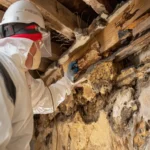
Have you ever heard a seasoned investor say, “Buy fast, fix later”? It sounds tempting, especially during a hot market. But here is a hard truth: skipping commercial property inspection can cost you far more than you ever saved. That small upfront “saving” can snowball into thousands, even hundreds of thousands of dollars in hidden expenses, legal trouble, and lost opportunities.
This blog unpacks exactly why a commercial property check matters and reveals the hidden costs of skipping inspections that every business owner, investor, or property manager should know about. By the end, you’ll see how a thorough inspection can protect your money, reputation, and peace of mind.
What is a Commercial Property Inspection
A commercial property inspection is a systematic evaluation of a building’s condition, covering structure, systems, and safety features. It helps reveal defects and risks that are not obvious in routine walkthroughs.
That difference between what you see and what you do not see is where hidden costs grow. Let’s have a look at some of them listed below:
Unexpected Repairs After Purchase
One of the most direct financial consequences of skipping a commercial property evaluation is unexpected repairs.
Roof systems in commercial buildings are expensive. According to national cost guides, the average cost to replace a commercial roof in the United States typically ranges from $4 to $15 per square foot, meaning a 10,000‑square‑foot roof could cost roughly $40,000 to $150,000 or more, depending on materials and complexity.
Imagine buying a property, thinking the roof is solid, only to face a six-figure repair within a year. Without inspection, you lose the chance to negotiate price adjustments or request repairs before closing.
Life Safety and Code Violations
Commercial buildings must comply with fire safety codes, accessibility standards, and electrical regulations. These are not optional for lenders, tenants, or regulators.
Data from enforcement records show that commercial and mixed‑use buildings in New York City received tens of thousands of safety and compliance violations from agencies, including the Fire Department of the City of New York and the Department of Buildings. These violations often carry significant penalties and can remain unresolved, revealing what can happen when oversight and inspections are neglected.
Failing to identify code violations before purchase can result in fines, costly retrofits, and interruptions in business operations.
Insurance Claims and Coverage Problems
Insurance can seem like a safety net, but not always. Many commercial insurance policies exclude coverage for pre‑existing conditions if they were not disclosed or documented.
According to property insurance coverage information, standard commercial property insurance policies typically exclude coverage for certain types of losses and require specific documented conditions before a claim is paid. Losses from gradual damage, wear and tear, or conditions not explicitly listed under covered perils may be denied or disputed by insurers.
Skipping commercial property inspection can mean you buy a property without a documented condition history, increasing the risk of claim denial.
Lower Loan Offers and Financing Challenges
Lenders often require detailed information about building conditions before approving loans. Older properties with unknown conditions pose a higher risk.
According to the Federal Reserve Board’s Senior Loan Officer Opinion Survey on Bank Lending Practices, banks have reported tighter lending standards for commercial real estate loans, meaning lenders are requiring more thorough risk evaluation before approving financing. This tightening reflects lenders’ concerns about risk and the need for solid property documentation in underwriting decisions.
This adds to your long-term costs because financing becomes less favorable without inspection data.
Reduced Tenant Attraction and Retention
Commercial tenants want predictability and safety. Buildings with unresolved issues lead to frequent service disruptions and tenant complaints.
Recent commercial real estate research shows continued vacancy challenges in office markets and shifting tenant leasing dynamics, both of which influence occupancy rates and revenue outcomes.
Turnover means lost rental income, marketing costs, and potential rent concessions.
Higher Operating Expenses Over Time
Hidden defects often affect energy efficiency and mechanical systems. Poor insulation, inefficient HVAC, or outdated electrical systems quietly raise operating costs.
In commercial buildings, HVAC systems can represent roughly 40-60% of total energy use. When these systems are outdated or poorly maintained, they often run inefficiently, increasing energy consumption and driving up operating costs that could have been identified and addressed through regular commercial property inspection.
These ongoing costs are not one‑time hits, but persistent drains on your operating budget.
What Happens Without Inspection During Transactions
Some buyers waive inspection to make offers more attractive or speed up negotiations. This seems smart in a fast market, but it shifts all risk to the buyer.
When buyers waive due diligence contingencies, including inspections, they often end up buying properties “as‑is,” with no ability to renegotiate or back out if significant issues are found later. That can lead to expensive surprises that erode profit margins and increase financial risk.
When you waive inspection, you give up leverage to negotiate repairs, price reductions, or seller concessions.
How Inspections Help Prevent Hidden Costs
A professional commercial property inspection gives you the information you need to:
- Identify existing and potential defects.
- Estimate repair costs before buying.
- Understand safety compliance obligations.
- Strengthen your negotiation position.
This upfront clarity can save money, time, and stress in the long run.
Smart Investing Starts with Inspection
Skipping a commercial property inspection might seem like a way to get ahead in a competitive market, but the hidden costs of skipping inspections can wipe out perceived savings and more. Financial surprises, safety liabilities, insurance challenges, and tenant issues all add up.
Commercial property check is not a cost. It is an investment in certainty and protection.
TexInspec offers detailed and reliable commercial property inspection services that help investors and business owners make informed decisions. Understanding a property’s actual condition puts you in control and removes uncertainty before you sign any contracts.
Do not let hidden issues become expensive regrets. Contact today to schedule a property inspection and protect your investment for years to come.