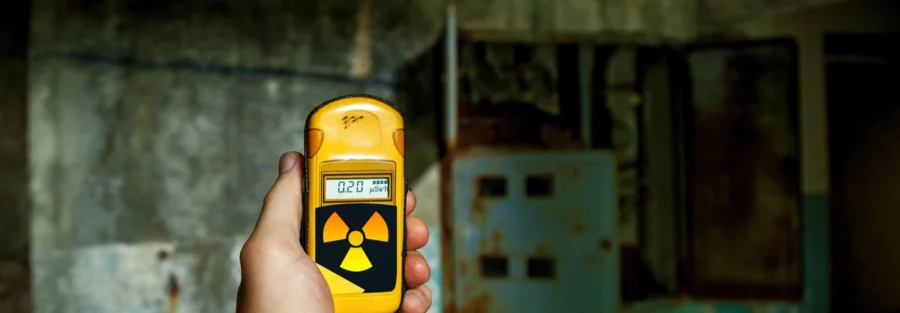
Radon is a naturally occurring radioactive gas. You can’t see, smell, or taste it, but its long-term exposure is linked to lung cancer. In fact, the Environmental Protection Agency (EPA identifies radon as the second leading cause of lung cancer in the U.S.
Finding out your home has high radon levels can be unsettling, but the problem is fixable. The sooner you take action, the safer your home becomes. In this blog, we will share some radon remediation tips to help lower exposure.
Understanding Radon Gas
Radon forms naturally when uranium breaks down in soil and rock. It enters homes through:
- Cracks in foundations
- Gaps in floors
- Crawl spaces
- Sump pumps
- Construction joints
- Well water
The EPA recommends taking action if radon levels reach 4 picocuries per liter (pCi/L) or higher. But even levels between 2-4 pCi/L may warrant attention.
Steps to Take If Your Home Has High Radon Levels
Here are six steps that can help you deal with higher levels of radon:
1. Confirm the Results With a Follow-Up Test
The first step after detecting high radon levels is to verify the reading. Radon levels fluctuate daily and seasonally, so a single reading isn’t enough to make a big decision.
Even if your initial test came from a reliable detector, double-checking ensures you’re not reacting to a one-time spike.
2. Identify the Source of Entry Points
Most radon enters from the soil beneath your home, but it’s helpful to understand how it’s entering so you can address it more effectively. Common radon entry points include:
- Foundation cracks
- Basement floor cracks
- Gaps around pipes
- Crawlspaces with bare earth
- Gaps around sump pump lids
- Poorly sealed utility openings
Inspecting these areas helps you understand the severity of the issue and its spread. Always check for unfinished areas.
3. Improve Ventilation in Problem Areas
Ventilation alone won’t permanently fix high radon levels, but it can help reduce concentrations temporarily while you prepare long-term solutions. Some effective ventilation strategies include:
- Opening basement windows when the weather permits
- Running fans to increase air circulation
- Installing vent covers that promote air movement
- Using air exchangers or HRVs (heat recovery ventilators)
The World Health Organization (WHO) states that improving ventilation can reduce radon levels by up to 50% in some homes, but only as a short-term step. This step buys time while you pursue more permanent fixes.
4. Seal Cracks, Gaps, & Foundation Openings
Sealing alone won’t eliminate radon, but it’s one of the least expensive and most effective radon remediation tips to start with. Areas to seal include:
- Foundation cracks
- Floor-wall joints
- Gaps around plumbing
- Sump pump lids (use airtight covers)
- Crawlspace entry points
- Exposed soil in crawlspaces
This step helps reduce the number of “entry doors” radon uses to seep into your home.
5. Install a Radon Mitigation System
This is the most reliable and effective way to reduce high radon levels. A radon mitigation system is designed to pull radon gas from beneath your home and vent it safely outside. The most common type is the sub-slab depressurization system. This system works in the following way:
- A PVC pipe is inserted beneath your foundation
- A fan pulls radon from the soil
- The gas is vented safely above the roofline
According to the EPA, a properly installed mitigation system can reduce radon levels by up to 99%.
6. Re-Test Your Home Regularly
After installing mitigation, it’s important to continue testing. If you have made any changes to your home or there has been construction in your area, you should get radon testing. A professional radon test provides more accurate results and guides by recommending the necessary steps to address the problem. Here are some signs that indicate your home needs re-testing:
- You completed the basement renovation.
- You fixed or changed the ventilation systems.
- You experienced heavy flooding or soil movement.
Regular testing keeps your home safe in the long term.
Radon Remediation Tips for Everyday Prevention
While the six steps above are your main roadmap, here are extra ways to keep radon manageable:
- Maintain good airflow in your home
- Weatherproof your home
- Keep your basement dry
- Check crawlspaces and get proper encapsulation
Protect Your Home From High Radon Levels
Radon is serious, but it’s also highly manageable when you know what steps to take. By following the six actions, you can confidently protect your home from the risks of high radon levels and use proven radon remediation tips to keep your indoor air healthy.
If you suspect radon at your place, or any home in your neighbourhood has higher levels, you should get a professional radon test. Our radon inspectors guide you through the most suitable steps to reduce radon levels. Book your inspection with TexInspec and let us help you maintain a healthy living environment.