When you are buying a home, the septic system is easy to overlook, yet it can be one of the most expensive parts to repair. A failing system can lead to backups, foul odors, and major costs that show up soon after you move in.
A septic inspection helps you understand the condition of the system before you close on the property.
This guide explains what a septic inspection includes, why it matters in real estate transactions, and how it helps you avoid unexpected problems.
What Is a Septic Inspection
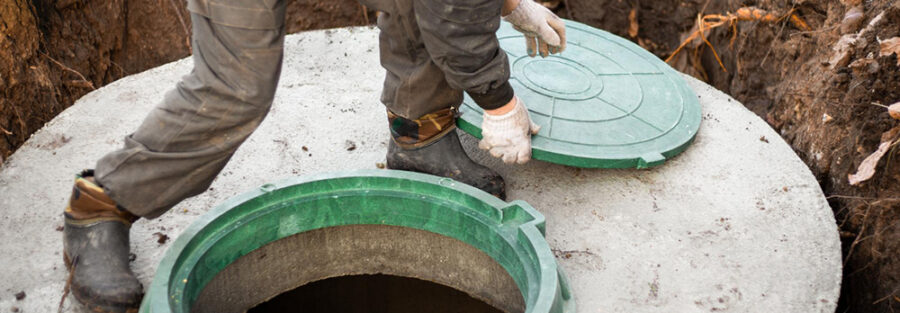
A septic inspection is a professional evaluation of a home’s septic system, typically the tank, pipes, drain field, and associated components.
To carry out this process, an inspector searches for indicators of failure, blockages, leaks, insufficient drainage, the state and age of the system, and compliance with regulatory and functional standards.
When you hear “septic inspection in real estate“, it refers to this inspection being done as part of the home-buying or selling process, to inform parties and mitigate risk. Such an inspection provides buyers with up-to-date details about the general condition of a house’s septic system.
This is because thousands of U.S. homes rely on septic systems, and neglecting this maintenance can lead to significant repair or replacement costs.
Why a Septic Inspection Matters
Here are some reasons this inspection is worthwhile.
- Keep your money safe: It was estimated that almost 50% of septic systems inspected fail due to poor construction or lax oversight. You may go overboard with your expenditures on a house with an old septic system.
- Enable smart negotiations: In real estate transactions, a septic inspection report can give the buyer leverage to request repairs, credits, or to reconsider the deal entirely.
- Avoid delays or loan issues: Some lenders and insurance companies may require a septic inspection before finalizing the mortgage or insurance policy, particularly for homes in rural areas.
- Health and environmental safety: Untreated waste from a failing septic system may contaminate soil or groundwater, posing regulatory challenges.
The Three Primary Types of Septic System Issues
When you schedule a septic inspection, the inspector typically looks at three broad categories of issues. Knowing any of them will make you value what’s at stake.
Structural and Tank Issues
This consists of cracks, corroded tank walls, leaking covers, or an insufficient tank size to serve the home. A tank constructed several decades ago could be too small or made of non-resilient material. The age and permit records are an important facet in determining the state of a system.
Drain- Field and Soil/Absorption Problems
The effluent is treated and then spread in the soil in the drain field. Issues include arrested or collapsed fields, root intrusion, or soil that is otherwise unabsorbent. In the event of a field failure, waste will stagnate or spill into yards.
Case study: A Michigan-based property had been experiencing a high water table, necessitating a special customized upgrade.
System Design, Capacity, and Maintenance Problems
There might be some problems with the tank and field, but mostly there is trouble with the system that has not been sized up to the number of bedrooms or usage, or with all such systems that are not taken care of (no pumping, no records).
Many buyers do not consider that a house has not had a history of maintenance or that the system is old, both of which are significant risk factors.
What to Look For During a Septic Inspection
The following is a list of what you and your inspector are usually going to check:
- Tank integrity: The leaks, cracks, corrosion, and access covers.
- Sludge and scum content: Do tanks require pumping? The suggested pump lifespan is approximately 3 years for normal use.
- Drain field: Signs of mushy ground, bad smell, wet patches, or backup in the house.
- Permits/Records: At the time of installation, whether the system adhered to code, and whether maintenance done on the system is documented.
- Capacity and use: Does the system have the capacity to handle the number of house inmates? Excessive use may significantly shorten its lifespan.
Real-World Examples
One source noted that approximately 30% of all septic systems are either failing or not properly maintained. The cost of a full septic inspection typically ranges from $260 to $420, depending on the region and system complexity, and is performed by a licensed technician.
These facts show how common and costly issues can be, and underscore why “septic inspection” isn’t optional if you’re buying or selling a home with a septic system.
Tips for Buyers and Sellers
Buyers: Schedule a septic inspection during your due diligence period. Request maintenance records or permits, and ensure you receive a detailed written report. If the report reveals serious issues, use it as a bargaining tool.
Sellers: Consider having a “pre-listing” septic inspection. A clean report builds trust with buyers and can help sell the home quickly. Problems can also be fixed in advance to prevent delays on the deal. In this regard, various legal, economic, political, and social shaping factors need to be addressed. In this respect, numerous legal, economic, political, and social factors should be noted.
All parties: A properly recorded history of pumping, repairs, and compliance could become a value-added step and decrease risk.
Maintenance: Despite having a well-maintained system, service it regularly, such as having the pump serviced weekly or monthly, and perform general maintenance, such as checking connections. This will be needed regardless of whether the number of people living in the house increases, decreases, or changes.
Conclusion
A thorough septic inspection isn’t just another checkbox; it’s a powerful tool that can protect your investment, enable smarter negotiations, and avoid nasty surprises down the road.
Whether you’re buying a countryside home serviced by a septic system or selling a property, prioritizing a septic inspection in real estate matters more than many realize.
Being aware of the three primary risk categories, structural issues, drain-field failures, as well as design/maintenance shortfalls, you will be well on your way.
Are you ready to help yourself go forward? Contact TexInspec today for a professional septic inspection and a full home inspection.
Our certified inspectors will provide you with a comprehensive report, clarify any questions, and give you the information you need to purchase or sell intelligently.
Schedule your septic inspection with TexInspec now.