A clean pool can be misleading.
Water clarity, tiles, even the surface can all look fine while parts of the system are slowly wearing down. Pumps lose efficiency, small cracks expand, and minor imbalances start affecting the whole setup.
Nothing feels urgent until it suddenly is.
That’s where regular inspections come in. They help catch those gradual changes early, before they turn into repairs that cost far more than expected.
What Is a Pool Inspection
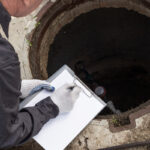
A pool inspection is a detailed evaluation of your pool’s structure, equipment, and safety features. During an inspection, the inspector looks for underlying problems that aren’t visible at first glance. During an inspection, professionals typically check:
- Pool surface (cracks, leaks, wear)
- Plumbing and circulation systems
- Pumps, filters, and heaters
- Electrical components
- Decking and surrounding areas
- Safety features like fences and drains
An inspection is just like a health check-up for your pool, catching issues early before they turn into major repairs.
The Real Cost of Skipping Pool Inspections
It’s easy to delay inspections, especially if everything seems to be working fine. But small issues don’t stay small for long. Here’s what can happen without regular inspections:
Minor Leaks Turn Into Major Damage
A small leak might not seem urgent, but over time it can become problematic. It can:
- Increase your water bill
- Damage to surrounding structures
- Weaken the pool foundation
Equipment Failures Get Expensive
Pool equipment like pumps, filters, and heaters doesn’t fail overnight. They show warning signs at the beginning of the problem. You need an inspection to notice those signs. Replacing a pump early is far cheaper than repairing a burned-out system.
Structural Problems Escalate
Tiny cracks in the pool surface can expand, leading to:
- Water loss
- Surface deterioration
- Costly resurfacing
Safety Hazards Go Undetected
Your pool might have loose tiles, faulty drains, or broken barriers. These all can pose real risks, especially for families with kids.
How Pool Inspections Save You Money
Pool inspections are part of regular maintenance. It’s one of the smartest ways to avoid unexpected expenses. Here’s how they help:
- Early problem detection means less expensive fixes
- Routine checks ensure your equipment runs efficiently and lasts longer
- A properly functioning system uses less energy, lowering utility bills
- Regular pool maintenance keeps you ahead of repairs
Role of Regular Pool Maintenance
Inspections and regular pool maintenance go hand in hand. It’s all about keeping your pool in safe working condition. Regular maintenance includes:
- Cleaning debris and filters
- Balancing water chemistry
- Checking water levels
- Inspecting visible components
According to the CDC, proper pool maintenance, especially balanced water chemistry, is essential for preventing damage and ensuring swimmer safety.
When maintenance and inspections are combined, you get a comprehensive care system that keeps your pool in top condition.
Key Areas Pool Inspectors Focus On
A professional inspection goes beyond surface-level cleaning. Here are some critical areas they evaluate:
- Pool Structure: inspectors check for cracks, surface, and signs of leaks
- Circulation System: Includes a check on pumps, filters, and pipes that keep water moving and clean.
- Electrical Components: To check faulty wiring or lighting that must meet safety standards
- Water Quality Systems: To assess the proper chemical balance that protects swimmers and pool material.
- Safety Features: Like barriers, covers, and drains to ensure compliance and safety.
Signs Your Pool Needs Immediate Inspection
Even between scheduled inspections, watch for warning signs like:
- Sudden drops in water level
- Cracks or discoloration
- Unusual noises from equipment
- Cloudy or unbalanced water
- Higher energy or water bills
If you notice any of these, don’t wait; getting a professional inspection early can prevent bigger problems.
Simple Tips to Prevent Costly Repairs
You don’t have to be an expert to keep your pool in good shape. A few simple habits go a long way:
- Stay consistent with cleaning and chemical balancing
- Keep an eye on water levels
- Address small issues quickly
- Schedule routine inspections
Maintain Your Pool With Inspections
A pool is a valuable part of your home, but it’s also a system that needs attention and care. Regular pool inspections help you catch problems early, avoid expensive repairs, and keep everything running smoothly. When paired with consistent regular pool maintenance, it provides a strong defense against unexpected breakdowns.
Stay proactive and schedule your pool inspection with TexInspec. A little prevention now can save you a lot of money later.